Latest Project
Product Design
AL/ML
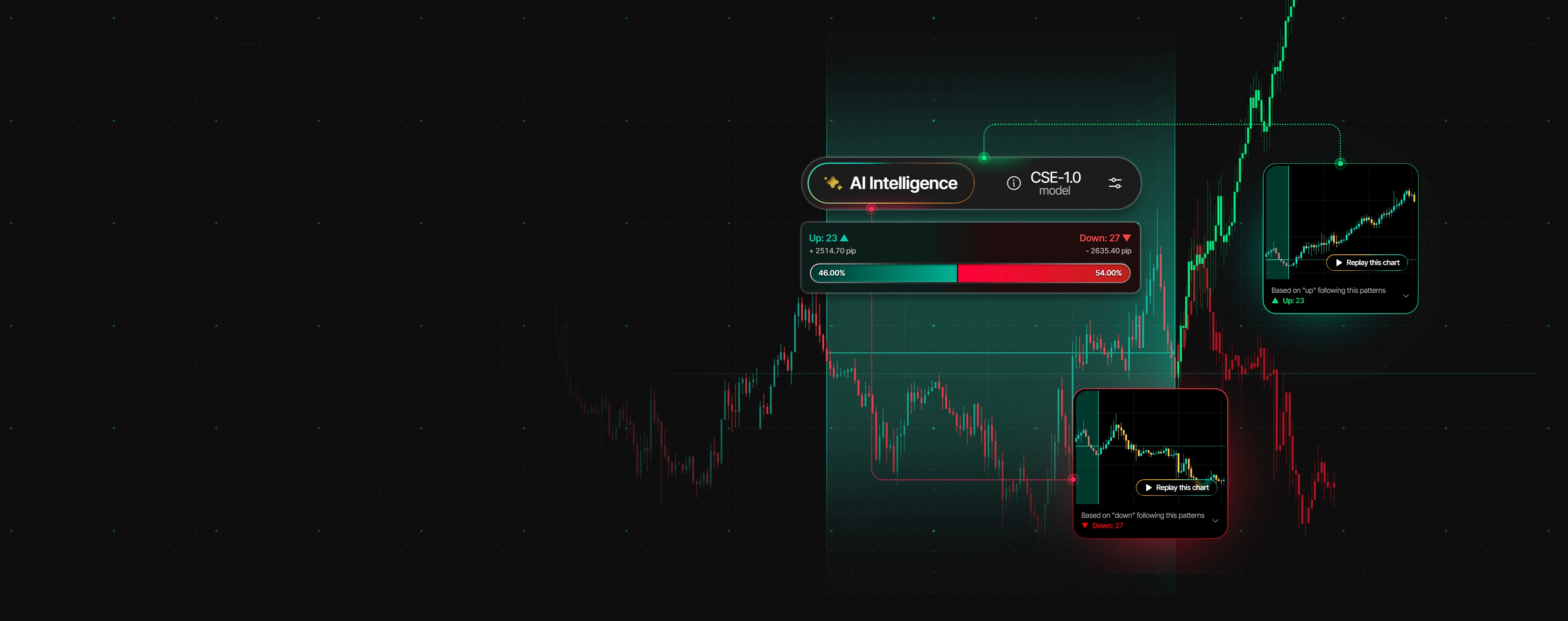
AI Intelligence
Dashboard
Redesigning a complex analytics platform to make AI-driven insights accessible — cutting a 6-step workflow down to 3.
ROLE
Lead Product Designer
TIMELINE
5 Weeks
PLATFORM
Web - Desktop
THE PROBLEM
Complexity was blocking adoption
Analysts at mid-market fintech firms were spending an average of 40 minutes per session navigating the existing dashboard — a tool designed by engineers, for engineers. The AI model outputs were powerful, but buried under jargon, dense data tables, and a non-linear workflow that required memorising 6 discrete steps before any action could be taken.
— Participant 04, user research interview
Business goals were equally clear: reduce average time-to-insight under 8 minutes and drive a 30% uplift in daily active usage within two quarters of launch.
Research & Insights
Listening before designing
Over two weeks I ran 12 moderated usability sessions with analysts, conducted a competitive audit of six analytics platforms, and synthesised 84 individual observations into three core insight themes.
Cognitive overload
Users abandoned tasks when more than 5 data points competed for attention on a single screen.
Non-linear workflow
9 of 12 participants invented their own shortcuts, indicating the designed flow didn't match mental models.
Trust in AI
Users wanted to understand the "why" behind recommendations — confidence scores alone weren't enough.
Design Process
Four phases, one north star
Over two weeks I ran 12 moderated usability sessions with analysts, conducted a competitive audit of six analytics platforms, and synthesised 84 individual observations into three core insight themes.
01
Discover
03
Define
04
Design
05
Deliver
The Solution
Less steps.
The redesign collapses six disconnected views into a single adaptive dashboard surface. AI recommendations surface contextually — right where decisions happen — rather than requiring users to navigate to a separate insights panel.
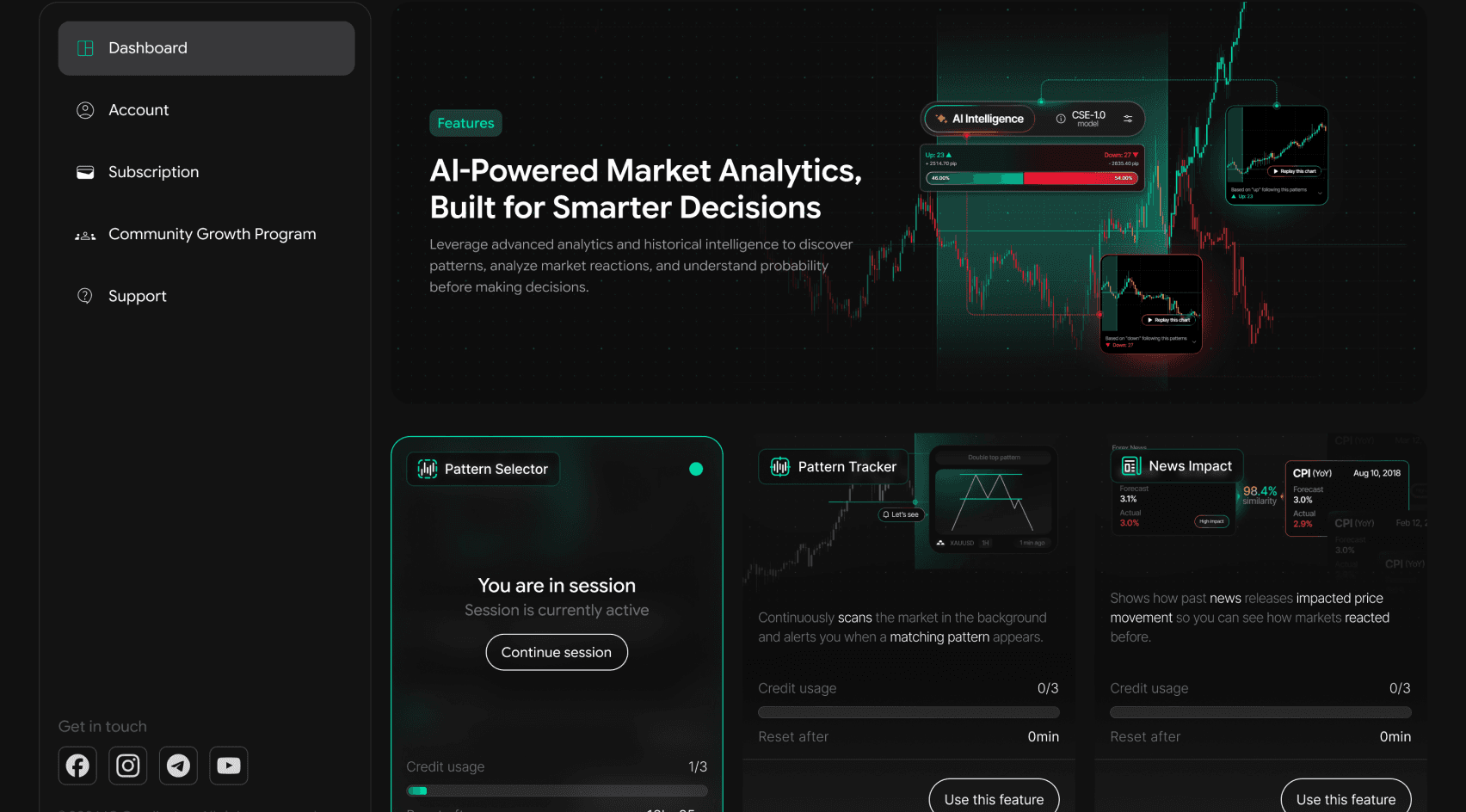
Overview dashboard
Redesign app dashboard & pages details
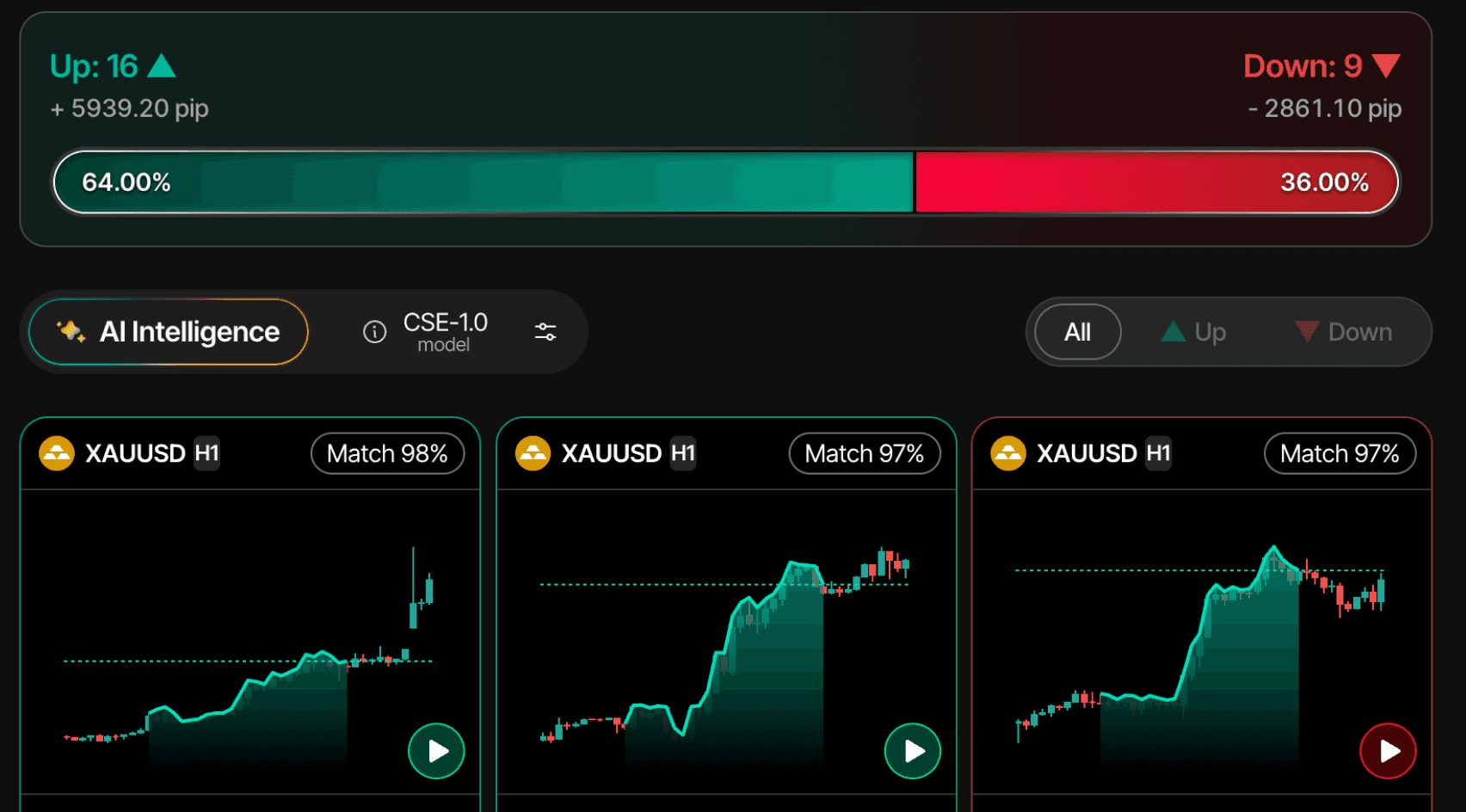
After simulation scan
Up & down appearing with indicator
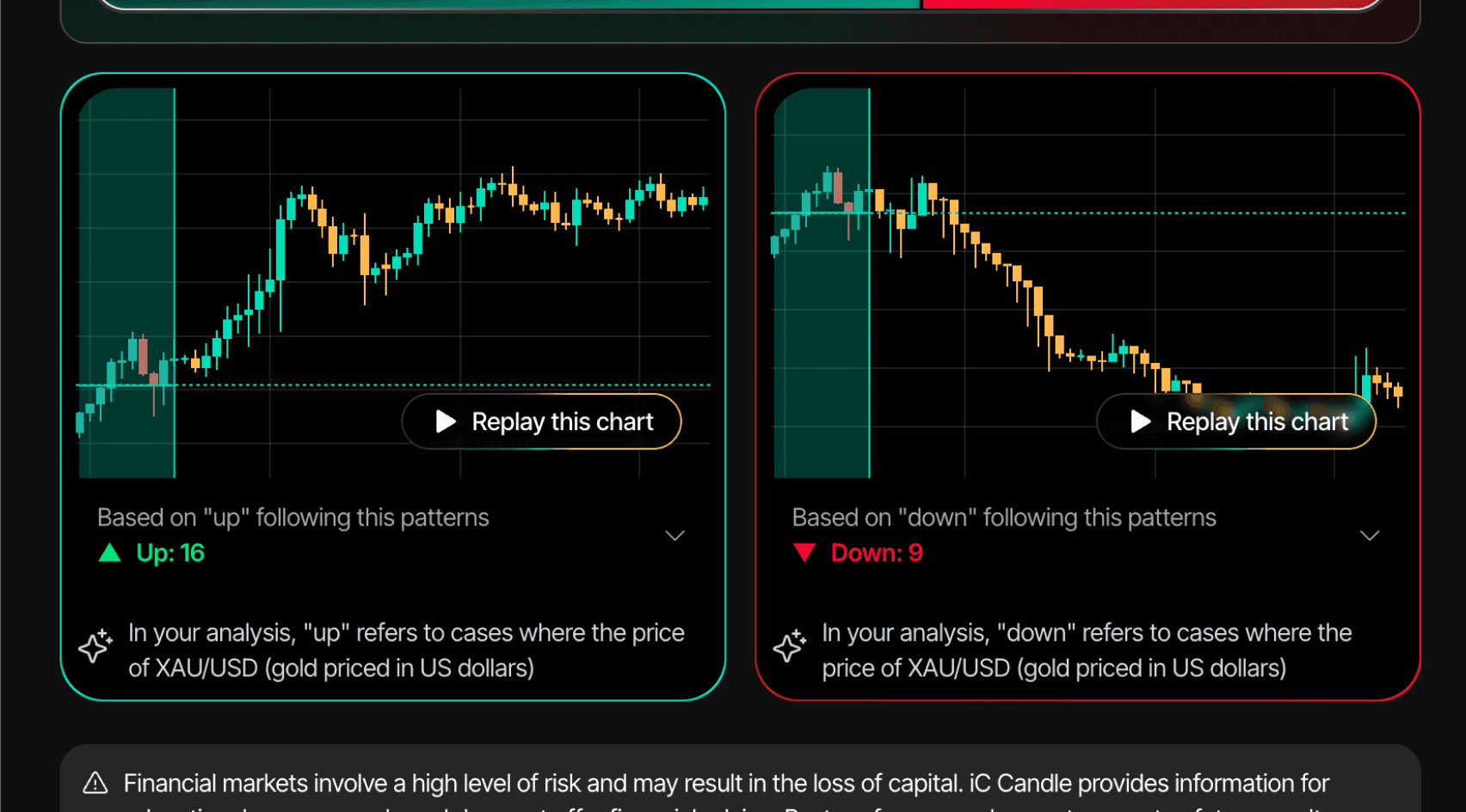
AI Intelligence
Result for patterns
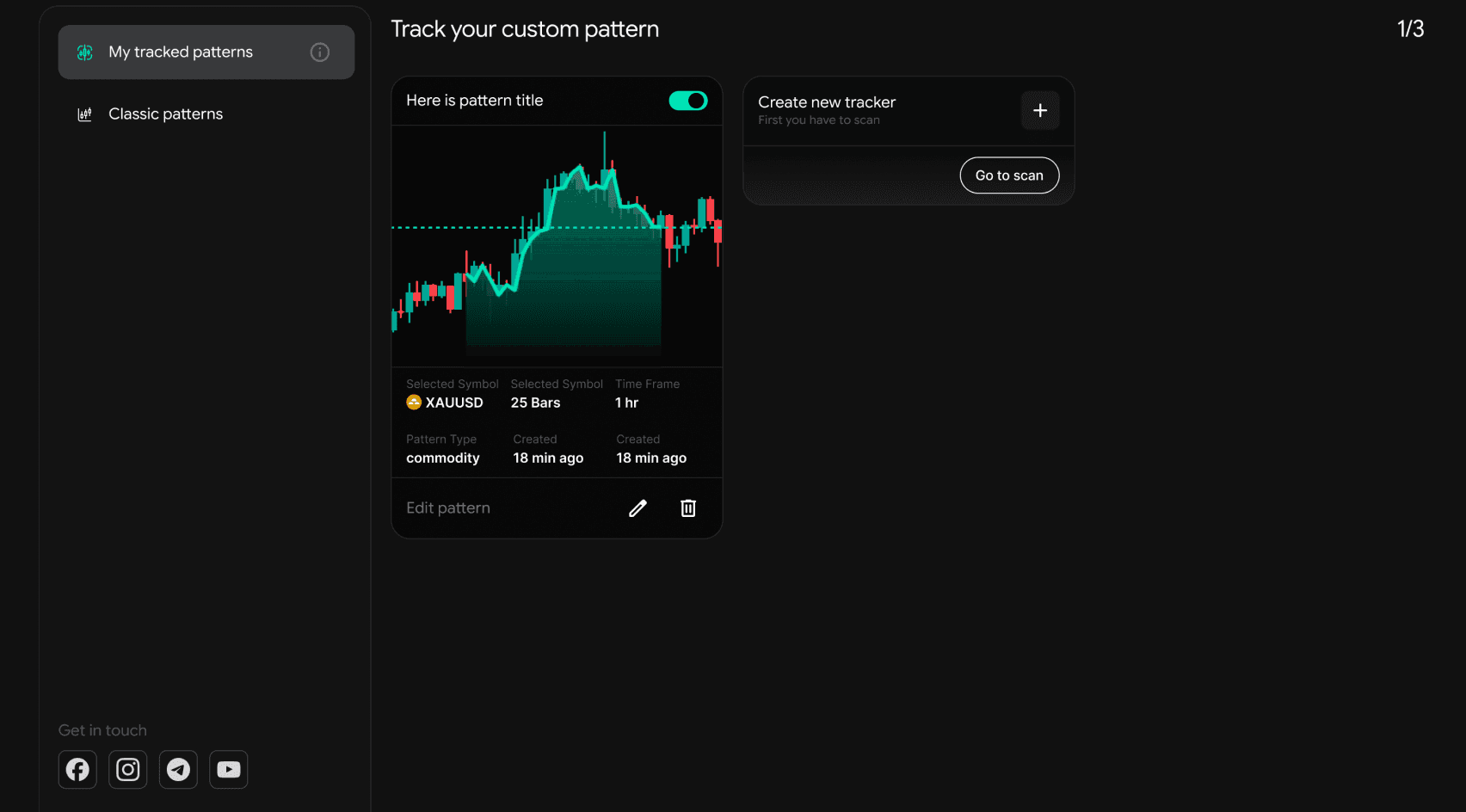
Pattern tracker
Updated card usability
impact
Results, 8 weeks post-launch
The redesign collapses six disconnected views into a single adaptive dashboard surface. AI recommendations surface contextually — right where decisions happen — rather than requiring users to navigate to a separate insights panel.
50%
Reduction in average
time-to-insight
+38%
Increase in daily
active usage
4.6/5
User satisfaction
score (CSAT)
Learnings
What I'd do differently
01 — Constraint
Prototype earlier with real data
We used placeholder content through two testing rounds. When real AI outputs arrived, several layout assumptions broke down. Earlier integration of live data would have saved a sprint.
02 — Process
Involve data science from day one
Critical model-capability constraints only emerged during handoff. Bi-weekly design/data science syncs from discovery would have shaped better interaction patterns sooner.
03 — Research
Recruit for context, not just role
Most participants were power users. Including lower-frequency analysts would have revealed onboarding gaps that only appeared in post-launch feedback.
04 — Next steps
Mobile accessibility pass
The dashboard was scoped as desktop-first, but usage data shows 22% of sessions start on mobile. A responsive breakpoint pass is the highest-priority next iteration.